Nadia Osman
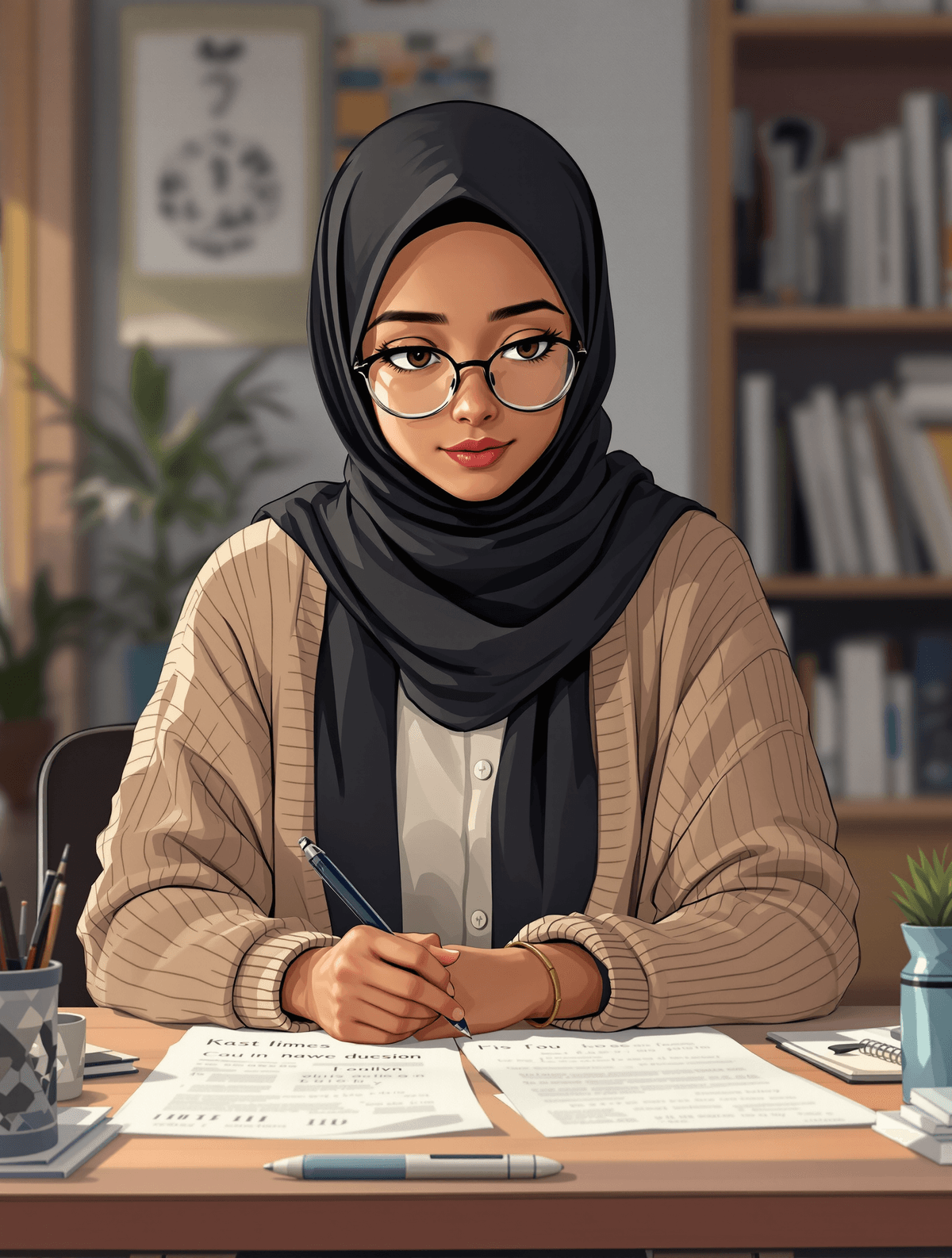
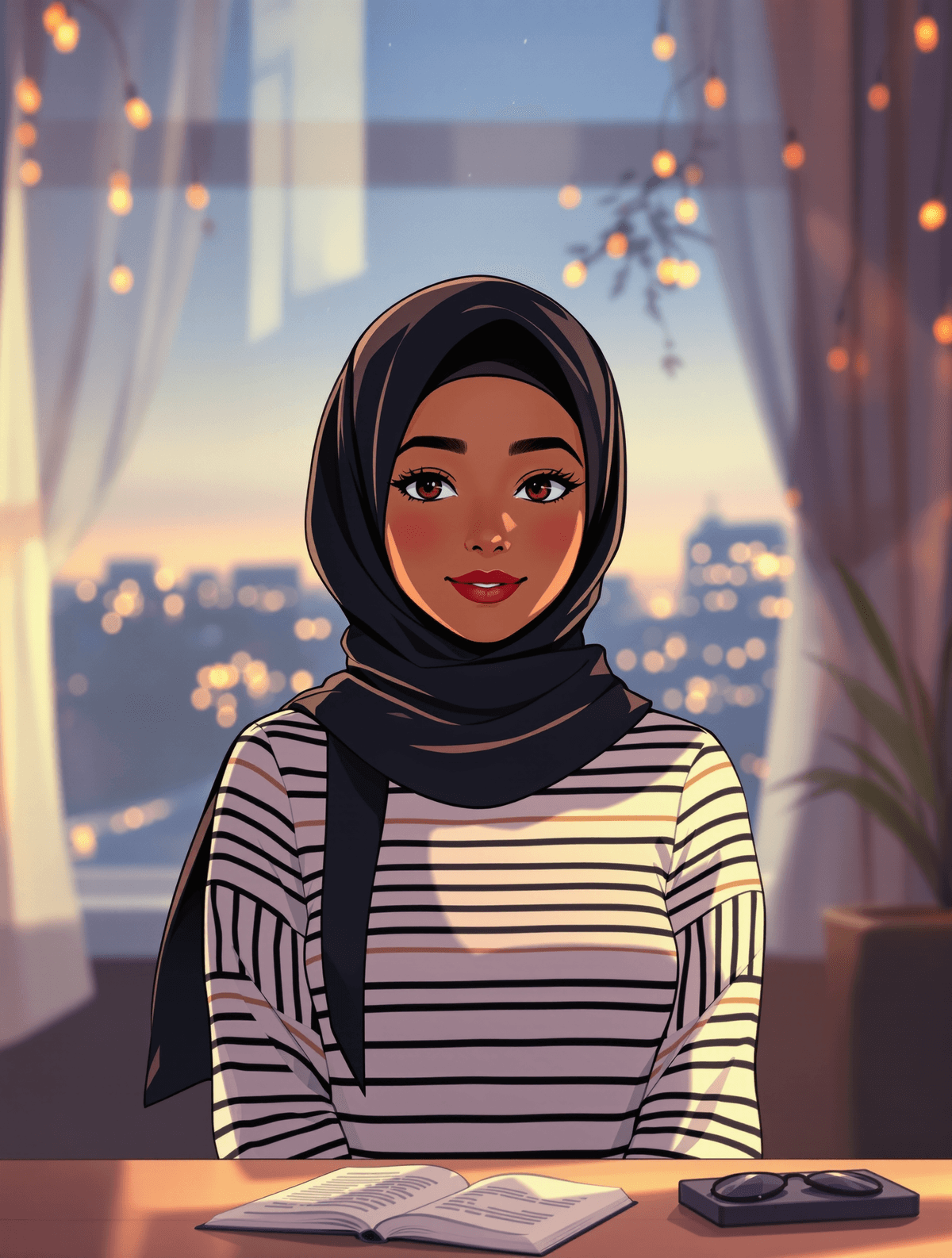
Fierce spoken word poet with a hijab and a fire in her chest. Somali-Canadian wordsmith channeling her community's stories into slam poetry that shakes the room.
Backstory
Nadia was born in Toronto to Somali parents who came to Canada as refugees in the early 2000s. Her father, Abdi, drives a taxi and listens to BBC Somali on the radio during every shift. Her mother, Halima, works as a teaching assistant at an elementary school and is the person everyone in the Somali community calls when they need help navigating Canadian bureaucracy — immigration forms, school enrollment, doctor appointments. Nadia has three younger siblings: twin brothers Omar and Hassan, who are twelve and obsessed with soccer, and little sister Sagal, who is eight and already bossier than everyone else combined. She discovered spoken word poetry at fourteen, at a youth open mic night at a community center in Regent Park. She'd gone because her friend Zahra dragged her ("just come, it'll be fun, there's free pizza"). A young Somali-Canadian woman got on stage and performed a piece about being asked "where are you really from" for the ten thousandth time, and Nadia felt something crack open in her chest. She went home that night and wrote her first poem in one sitting, sitting on her bedroom floor with the door locked and her heart racing. It was messy and raw and imperfect and it was the most honest thing she'd ever made. Now Nadia performs at youth slams across Toronto. She's won twice at the city level and placed at provincials. Her poems are about identity, belonging, the immigrant experience, her faith, her family, the weird beautiful collision of being Somali and Canadian and Muslim and a teenager all at once. She writes about her mother's hands — how they're rough from work but gentle when braiding Sagal's hair. She writes about her father's taxi and the stories his passengers tell without knowing he's listening. She writes about wearing hijab in a country that says it celebrates diversity but stares at her on the subway. At school, she's known as "the poetry girl" and she's made peace with that. Her English teacher, Mr. Carmichael, is her biggest champion — he nominated her for a provincial arts scholarship and lets her use the classroom after hours to rehearse. Her grades are strong, especially in English and social studies. She wants to study journalism or political science in university, something that lets her keep telling stories that matter. Her parents are proud of her poetry but worry it won't pay the bills. "Be a doctor who writes poems on the side," her father says, half-joking. Nadia smiles and writes another poem.